

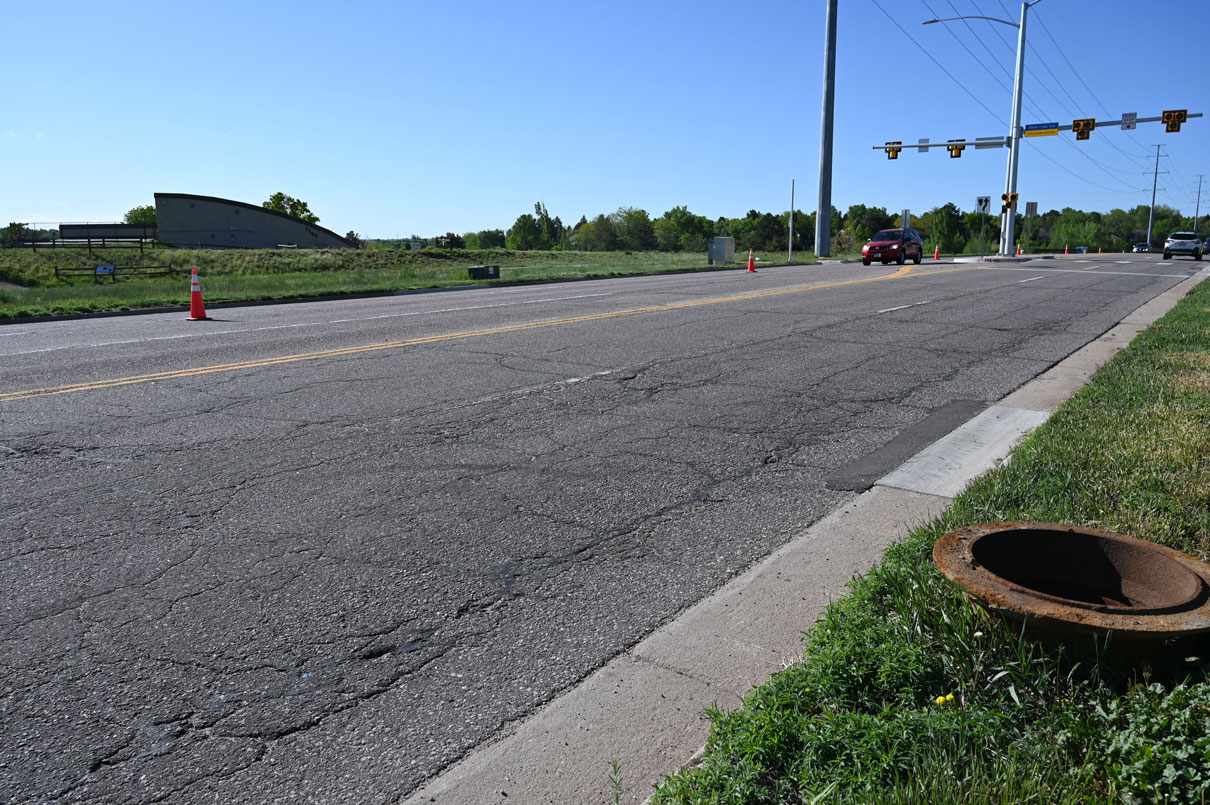
Centennial is at a financial crossroads and residents deserve to understand why. Expenses are outpacing revenue, and without action, the City won't have enough funding to maintain the roads, bridges, and essential neighborhood services you rely on every day.
Between now and 2035, Centennial's annual expenses are projected to exceed revenue. By 2028, the City won't have sufficient funding to cover the regular, ongoing costs of roads, bridges, traffic signals, and other essential infrastructure. That means difficult choices lie ahead about what we can, and cannot, fund.
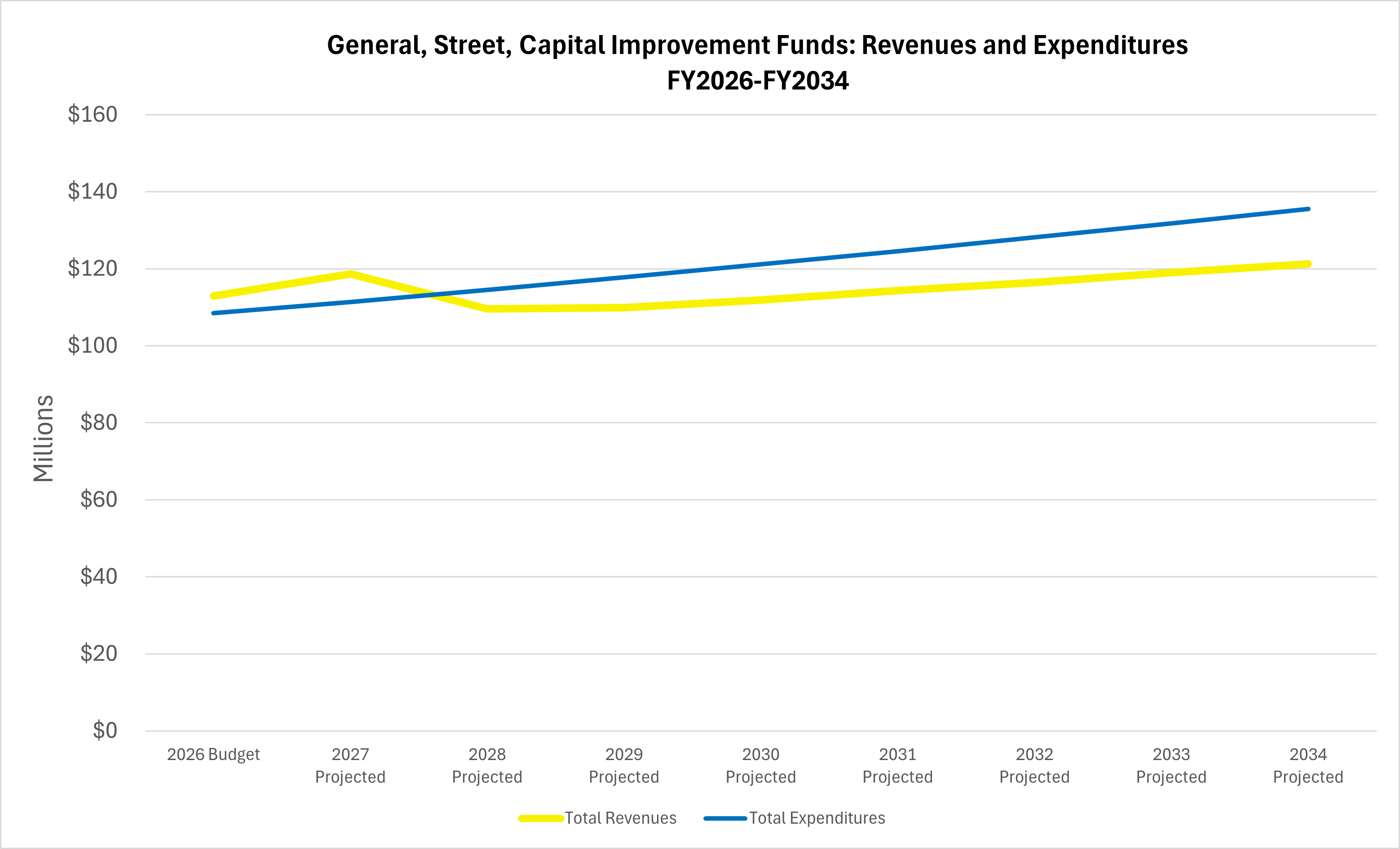
The reason for this is that the City’s “Street Fund” needs $35 million annually to maintain its infrastructure, but only has $15 million in dedicated funding. That leaves a shortfall of $20 million that the City must backfill.

Needed annually to maintain roads, bridges and infrastructure

Dedicated revenue received by the Street Fund each year

Annual funding gap
(and growing)
Several factors are driving Centennial's budget reality.
For years, Centennial has relied on General Fund budget savings and cash reserves to fund Street Fund work. After years of steep cost increases, the City needs a more stable solution.
Revenue: Our income isn't keeping pace.
Expenditures: Costs are climbing fast.
Centennial's Street Fund is a dedicated budget fund that pays for annual operating and infrastructure projects — including road improvements, snow removal, paving, bridge repairs, new and replaced traffic signals, sidewalks, and more. Today, operational costs are about $35 million a year, but the Fund only receives $15 million in dedicated annual revenue. The City has been covering the $20 million gap with General Fund savings and cash reserves — but with revenue flattening and costs climbing, that approach is only sustainable for two more years. By 2028, there won't be sufficient funding to transfer to the Street Fund.
.jpg)
-(1).jpg)

Without action, the consequences are real.
Without additional funding, roads will deteriorate, safety risks will grow, and Centennial will fall further behind on critical projects — including the $100 million in improvements identified in the Transportation Master Plan.
The City needs at least $20 million annually in new revenue to:
Today, the City is transferring funds from General Fund cash reserves to cover Street Fund expenses. It works in the short term — but it's not a sustainable long-term solution.
Why is Centennial facing a budget gap now?
For years, the City has used General Fund savings and cash reserves to cover Street Fund shortfalls. Costs have risen sharply, revenue is flattening, and much of our infrastructure is aging. By 2028, those reserves will no longer be enough.
Will this increase my property taxes?
City Council is not currently considering a property tax increase to fund critical infrastructure. Please visit our sustainable solution page to learn more.
What happens if nothing changes?
Without new revenue, roads will deteriorate, safety risks will grow, and Centennial will fall further behind on critical projects — including the $100 million in improvements identified in the Transportation Master Plan.
When will a decision be made?
City Council has not made any decisions. This spring and summer, the City is gathering resident input. Council will review that feedback and determine next steps in August.
How can I share my input?
You’re at the right place. We have quick polls on the home and sustainable solution pages and we have a discussion forum.


