

Centennial prides itself on being a good steward of taxpayer dollars, even as costs and service demands put pressure on the budget. In this section, you’ll learn about the City’s longstanding and unique approach to financial management — and the budget realities influencing future projects and programs.
At only 2.5%, Centennial has one of the lowest sales tax rates in the metro area. Given ongoing inflationary pressures, people are spending less money. Sales tax revenue in Centennial is flattening over the last four years. About 60% of the City’s budget for essential services depends on sales tax revenue, so when revenue is down it becomes harder to balance the budget.

Centennial does more with less money and has maintained the position to not tax residents on certain items, including essentials like groceries and utilities. Here are a few examples:
Similar to others, the City is experiencing price increases for everything from traffic signals, street maintenance, and public safety. Centennial’s revenue is flattening, yet costs continue to rise.


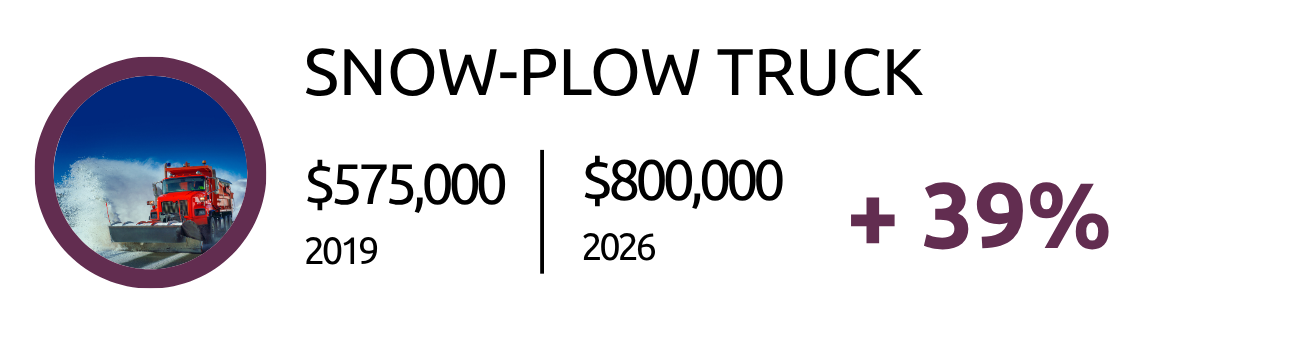
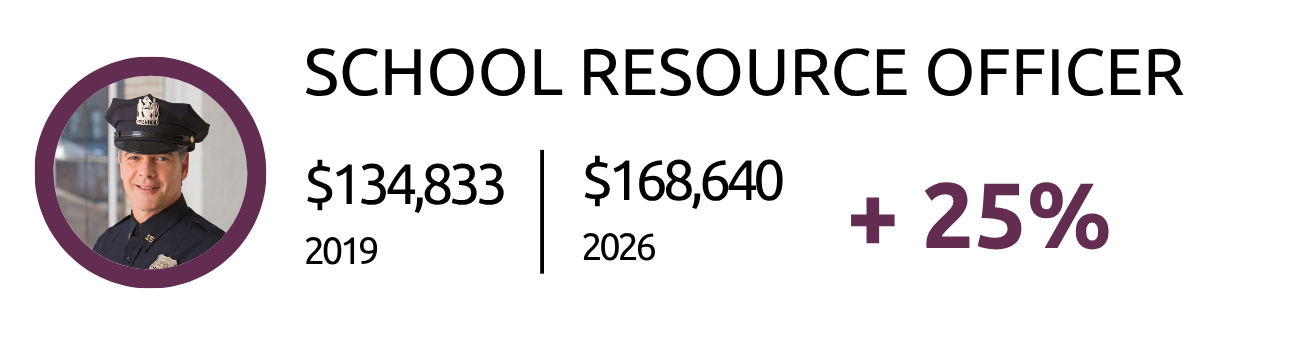
*These costs are averages based on estimates and/or invoices for work proposed and/or completed.
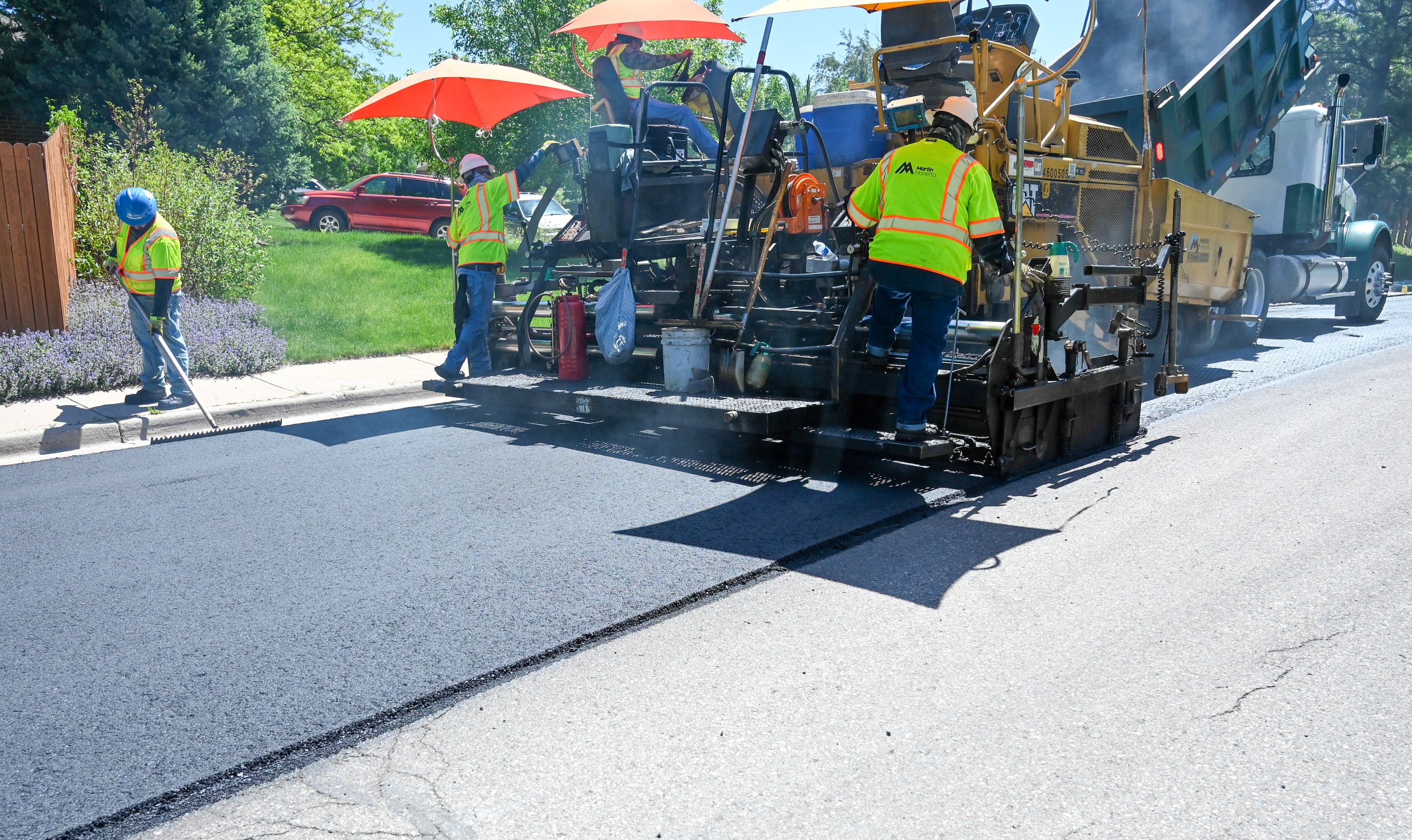
The two largest expenditures in the City’s budget are public safety and public works.
Public Safety
Over the past 10 years, the public safety budget has increased 85%, from $23 million in 2016 to $43 million in 2026. This is due to increased demand from the community for street patrols, school resources officers, etc. and state-mandated equipment such as body-worn cameras. However, we know that our residents value the investment in law enforcement.
Public Works
The City’s Street Fund pays for daily and ongoing maintenance, operations, and services related to roads, sidewalks, paths, and bridges. Much of Centennial's infrastructure is 25 to 40 years old and is approaching or past the end of its useful life. Construction materials, labor, and equipment have increased sharply, making every infrastructure project more expensive than it was just a few years ago. Centennial needs about $35 million annually just to maintain this infrastructure; however, the Street Fund only has $15 million in dedicated funding each year – not nearly enough to keep up with demand. The gap is covered by the City's General Fund, the same pot of money that pays for parks, police, and other essential services, and which continues to face competing demands on limited resources.

Centennial’s long-standing policy of operating without debt remains a foundational financial principle. Rather than relying on borrowing, the City addresses rising construction costs through deliberate capital planning, early project scoping, and setting aside funds in advance. This approach ensures projects are delivered without incurring long-term financial obligations and maintains stability for taxpayers. Here are two examples of capital projects that were paid for over time:
The City must balance saving for critical infrastructure needs while also funding essential services such as public safety, snow removal and street maintenance.


